You park at the mall for two hours in July. When you come back, the steering wheel is too hot to hold properly, the seatbelt buckle stings your hand, and the AC blows warm air for the first few minutes even on full. By the time the cabin starts to feel bearable, you’re nearly home.
Window film won’t stop that from happening entirely. Nothing will, short of a covered parking spot. But the right film can noticeably cut how much solar heat gets through the glass, reduce the glare you squint through on the drive home, block most of the UV reaching your skin and your dashboard, and give you some privacy along the way.
The catch is that “the right film” is doing a lot of work in that sentence. Tint shops in Dubai offer everything from basic dyed film to high-end ceramic, and most people end up choosing on shade and price alone. This article explains what actually separates one film from another, so you can make a more informed choice.
Why Car Window Tinting Matters in Dubai
For most of the year, the sun here is intense and direct. Glass lets a lot of that energy into the cabin, where it gets absorbed by seats, the dashboard and everything else, and then turns into heat. The AC then has to work against that heat load continuously, especially in slow traffic where airflow is limited.
A good window film helps in a few practical ways. It reduces the solar energy coming through the side and rear glass, cuts glare from the sun and from reflections off other cars and buildings, blocks a large share of UV radiation, and makes the cabin less visible from outside.
What it won’t do is make the car cold. The windscreen is still clear glass, the roof and body still absorb heat, and a car parked in full sun will still get hot. How much difference tint makes depends on the film technology, the car’s existing glass, and how well it’s installed. Anyone promising dramatic results without talking about the specific film is overselling.
Does Darker Window Tint Mean Better Heat Rejection?
This is the most common misunderstanding about car tint in Dubai, and it’s worth getting right.
Darkness and heat rejection are two different things. How dark a film looks is about visible light. Heat from the sun comes mostly from visible light and infrared radiation, and infrared is invisible. A cheap dark film can block a lot of visible light while letting plenty of infrared through, so the car looks tinted but still heats up. A good ceramic film can be much lighter and still reject a meaningful amount of infrared heat.
When you compare films, look for these specifications on the manufacturer’s data sheet:
VLT (Visible Light Transmission) tells you how much visible light passes through. It’s about appearance and visibility, not heat.
UV rejection tells you how much ultraviolet radiation the film blocks. Most decent automotive films block a very high proportion of UV, so this number alone won’t separate a basic film from a premium one.
IR rejection tells you how much infrared radiation is blocked. Be a little careful here: some manufacturers measure infrared rejection across a narrow wavelength range, which can make the number look more impressive than the overall heat performance.
TSER (Total Solar Energy Rejected) is usually the most useful single figure for heat, because it accounts for visible light, infrared and UV together.
All of these figures belong to a specific product, and they’re typically measured on standard test glass, so real-world results on your car will vary. Ask to see the data sheet for the exact film being offered, rather than accepting a general claim about “high heat rejection”.
Understanding Tint Percentages and VLT
Tint percentage is simply VLT. A higher number means more light gets through and the window looks lighter. A lower number means less light gets through and the window looks darker. A 70% film is light and barely noticeable from outside. A 35% film looks clearly tinted. A 5% film is what people call limo tint.
One detail catches many drivers out: most factory glass isn’t perfectly clear to begin with. When you put a film over it, the result is darker than the film’s own rating, because the two combine. So a film rated at 50% won’t necessarily give you a window that measures 50% once it’s installed. A proper installer should measure the finished glass with a VLT meter, not just quote the number on the roll.
What’s the legal tint limit in Dubai?
Dubai follows UAE federal traffic rules on tint darkness. Since the revised federal traffic law came into effect on July 1, 2017, private car owners have been permitted to tint all windows up to 50 per cent, with the exception of the front windscreen. Before that change, the limit was 30%. gulfnews
Rules for taxis, commercial vehicles and medical exemptions are different, and enforcement details can change. Before choosing a shade, confirm the current requirement with the RTA or Dubai Police, and make sure your installer measures the final result on the glass.
Ceramic Tint vs Regular Window Tint
Standard / Dyed Film
Dyed film is usually the most affordable option. It darkens the glass and reduces glare, and it gives you privacy. Its heat rejection tends to be limited, since it works mainly by absorbing light rather than rejecting infrared. Lower-quality dyed films can also fade or take on a purple tone over time, particularly under strong sun.
Carbon Film
Carbon film sits in the middle. It generally holds its colour better than dyed film, has a matte, dark look many drivers like, and offers better heat performance than basic dyed options. Being non-metallic, it doesn’t interfere with phone signals, GPS or radio reception the way some metallised films can.
Ceramic Film
Ceramic films use non-conductive ceramic particles to reject infrared heat. The main appeal for Dubai drivers is that a ceramic film can offer strong heat rejection without needing to be very dark, which helps visibility at night and keeps the shade within legal limits. Like carbon, it won’t interfere with electronics.
Ceramic tint for cars generally costs more, and quality varies between products, so “ceramic” on its own isn’t a guarantee. It’s also not automatically the right answer for everyone. If your priority is privacy on a budget, or the car spends most of its time in covered parking, a good carbon film may be enough. The right choice depends on how much heat rejection you want, your budget, the look you prefer, and how and where you drive.
UV Protection vs Heat Rejection: What’s the Difference?
These two get mixed up constantly, and they’re not the same.
UV protection means reducing the ultraviolet radiation passing through the glass. UV is what contributes to skin damage and to fading and drying out of interior materials. You don’t really feel it as heat.
Heat rejection means reducing the solar energy, especially infrared, entering the cabin. That’s what you feel on your arm through the side window and what makes the seats and steering wheel hot.
A film can block nearly all UV and still let a lot of infrared through. That’s why a basic film can honestly advertise excellent UV protection while doing relatively little for cabin temperature. If comfort in summer is your main reason for tinting, focus on the heat-rejection figures, not the UV number.
How Window Tint Can Protect Your Car’s Interior
Constant sun is hard on a car’s interior. Dashboards can dry out and fade, leather seats can lose colour and suppleness, door panels and plastic trim can discolour, and the steering wheel takes a beating from both sun and hands.
Reducing UV and heat through the side and rear windows can help slow that sun-related wear. It won’t stop ageing altogether, particularly for the dashboard, which sits right under the untinted windscreen. A sunshade on the windscreen and regular interior care still make a big difference. If your cabin is already showing wear, professional car detailing in Dubai can clean and condition leather and trim before you tint, so you’re protecting a surface that’s in good shape.
What Tint Shade Should You Choose?
There isn’t one best shade. It depends on what matters most to you.
For maximum visibility
If you do a lot of night driving or simply prefer a clear view, a lighter film makes sense. Pair it with a good ceramic film and you can still get solid heat rejection.
For privacy
A darker shade within the permitted limit gives you more privacy, which many families and drivers who leave belongings in the car appreciate. Remember to account for your factory glass so the final result stays legal.
For heat-focused drivers
Look past the shade entirely and compare TSER and infrared figures between films. A lighter film with better heat performance can outperform a darker, cheaper one.
For luxury and premium cars
Optical clarity, colour consistency and neat edges matter as much as performance. On a high-end car, a hazy or unevenly cut film stands out immediately.
In every case, the final choice should consider both the film and the car’s existing glass.
Signs of Poor-Quality Window Tint Installation
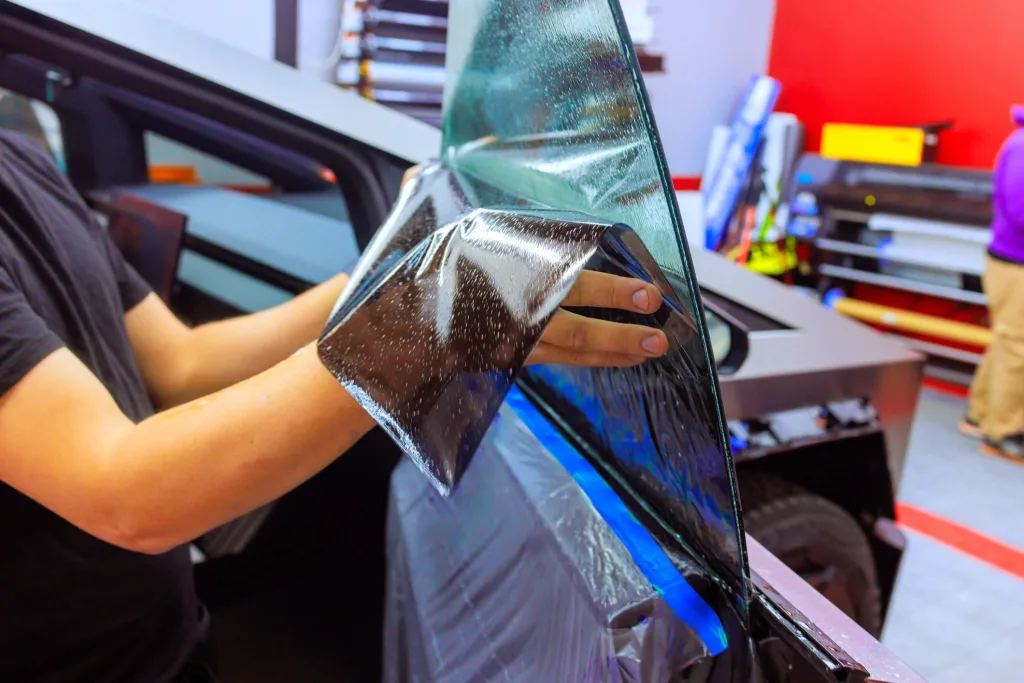
Even a premium film can look bad if it’s installed poorly. After fitting, look for:
- Bubbles or pockets of trapped water that don’t clear after the curing period
- Wrinkles or creases in the film
- Edges lifting or peeling
- Dust, hair or grit trapped under the film
- Uneven cuts or visible gaps along the edges of the glass
- A hazy or distorted view
- Film that turns purple or discoloured over time
- Poor alignment along the top of roll-down windows
Some small water spots or slight haze right after installation can be normal while the film cures. Anything that remains after that, or visible dirt under the film, points to rushed work or a dusty installation area.
How Long Does Car Window Tint Last?
It depends on the product and on how it’s treated. Film type and quality, installation standard, constant exposure to Dubai’s sun and heat, cleaning methods and how the car is used all play a part.
Lower-quality films tend to be the first to fade, bubble or discolour. Better films typically come with manufacturer warranties, and the warranty terms are the most reliable indication of expected lifespan for that specific product. Ask for the warranty details in writing and check what they cover.
For care, avoid rolling windows down for the first few days after installation, and clean tinted glass with a soft microfibre cloth and an ammonia-free cleaner.
What to Check Before Getting Your Car Windows Tinted in Dubai
- Film technology. Ask whether it’s dyed, carbon or ceramic, and which specific product.
- VLT. Know the film’s rating and ask what the final reading will be on your glass.
- UV and heat specifications. Ask for the data sheet, especially the TSER figure.
- Legal compliance. Confirm the chosen shade meets the current rules once combined with your factory glass.
- Glass compatibility. Some glass types and features need care with certain films, so it’s worth asking.
- Installation environment. A clean, enclosed bay helps keep dust out from under the film.
- Warranty. Find out who issues it, how long it runs and what it covers.
- Final inspection. Check the edges, clarity and alignment before you drive away.
Professional Car Window Tinting in Dubai
Evershine Auto Service Center offers professional car window tinting in Dubai from its workshop in Ras Al Khor Industrial Area 3. Before any film goes on, you can talk through your car, the look you want, how much privacy you need and how much heat rejection matters to you, and then choose a film that suits.
Many owners tint alongside other protection work. Paint protection film helps guard the bodywork against stone chips and sand, while ceramic coating makes paint easier to keep clean in dusty conditions. And if the cabin still takes too long to cool even after tinting, it’s worth having the system checked with a car AC servicing appointment, since tint reduces the heat load but can’t fix an AC that isn’t performing properly.
To discuss options, call +971 50 633 8183 or visit the car window tinting service in Dubai page.
Frequently Asked Questions
Does car window tint reduce heat in Dubai?
Yes, a good film can reduce the solar heat entering through the side and rear windows. How much depends on the film’s heat-rejection performance, not just its darkness. It won’t make the cabin cold, but it can make it more comfortable and ease the load on the AC.
What is VLT in car window tint?
VLT stands for Visible Light Transmission, the percentage of visible light that passes through the window. A lower VLT means a darker window. It describes appearance and visibility, not heat performance.
Is ceramic tint worth it in Dubai?
For many drivers, yes, because ceramic films can deliver strong infrared heat rejection without being very dark. It costs more than dyed or carbon film, and quality varies between products, so compare the specifications of the exact film.
Does window tint protect against UV rays?
Most quality automotive films block a very high proportion of UV. That helps protect your skin and slows sun-related fading of the interior. UV protection and heat rejection are separate measures, though.
Is darker tint always better?
No. Darker film gives more privacy, but it doesn’t guarantee better heat rejection, and it reduces visibility at night. Film technology matters more than shade for heat.
How long does car window tint last?
It depends on the film quality, installation and care. Poor-quality films can fade or bubble early. The manufacturer’s warranty for the specific product is the best guide.
What should I check before choosing a window tinting service in Dubai?
Ask which film is being used and for its data sheet, confirm the final shade will be legal on your glass, check the installation area is clean, and get the warranty details in writing.